The FIB Annual Congress was held on Saturday 17 January in Pori, Finland. Several reports and approvals was on the agenda. Member Associations participated both in person and online.
Several reports and approvals were on the agenda. Member Associations participated both in person and online.
The Auditor’s report was presented and the 2024-2025 Annual financial report was approved.
Athletes Committee reported that they during 2025 developed and administered its first Athlete Survey for participants in the 2025 World Championships in Lidkoping and Uppsala, Sweden. A total of 119 athletes responded out of 309 participants. The vice chair represented bandy athletes at the 12th International Athletes Forum in Lausanne, Switzerland, ensuring athlete perspectives were included at the international level. The Committee also expressed appreciation for the FIB Development Camp held in Uppsala, Sweden, in November 2025, only as a few examples of the committees various branches of activities.
The Anti-Doping Committee annual report mentioned that the testing plan for the 2024/25 season was implemented in accordance with the approved planning and risk assessment. Already in its first year of the Anti-Doping Education Programme, it produced encouraging results.
Teams competing in the Senior World Championship A Group submitted certificates confirming the completion of recognised anti-doping education activities as a few examples from the report.Teams competing in the Senior World Championship A Group submitted certificates confirming the completion of recognised anti-doping education activities as a few examples from the report.
Education and Development committee was the successful delivery of the FIB Development Camp 2025 in Uppsala, which marked the relaunch of FIB-led development camps after several years. The camp demonstrated strong international interest, high-quality delivery, and very positive participant feedback, confirming the relevance and value of EDC initiatives.
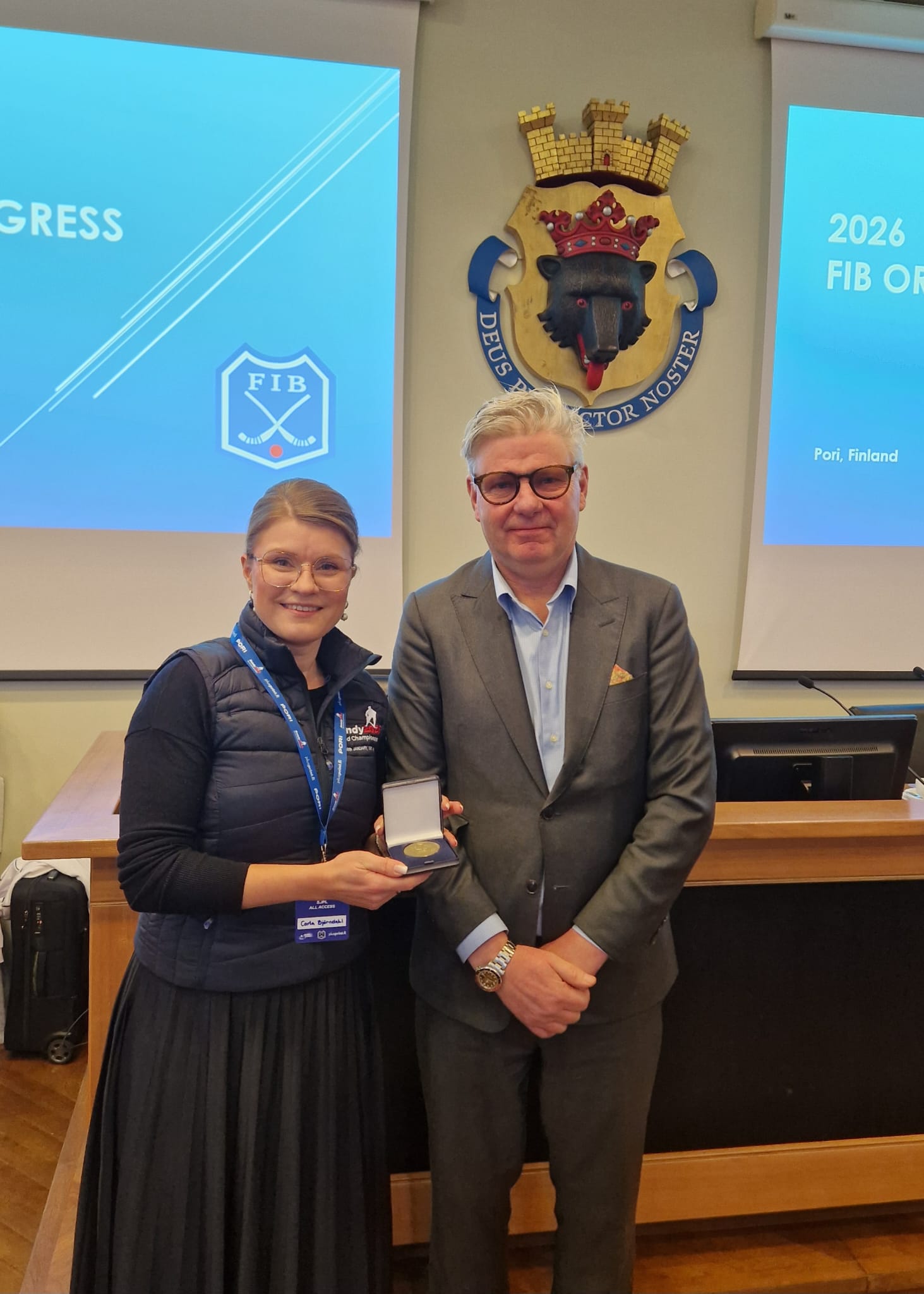
FIB expressed hight appreciation to Carla Björndahl representing the Local Organizing Committe for the World Championships in Pori.
The Olympic Task Force. Bandy notes that bandy continues to face structural challenges within the current Olympic framework. Support from National Olympic Committees (NOCs) remains uneven, and the Winter Olympic Games are governed by a limited number of established International Federations, each operating within defined athlete quotas and established commercial frameworks. These structural realities make the inclusion of new team sports particularly challenging.
The Technical Committee handles a big part of FIB important activities; the tournaments. Short Bandy is in TC accepted as a new discipline in FIB. Especially for new and smaller bandy nations this could be an interesting option. The playing rules are revised to FIB’s standard and Member Associations were asked for comments which were handled. TC have evaluated conditions for youth World Cup among among both organisers and participating clubs. TC have made a number of changes based on these evaluations as a few examples of the ongoing business.
The Congress unanimously approved Short Bandy as a new discipline, beside Bandy and Rink bandy.
Strategic discussions were initiated to be concluded in a summer meeting at the end of August.
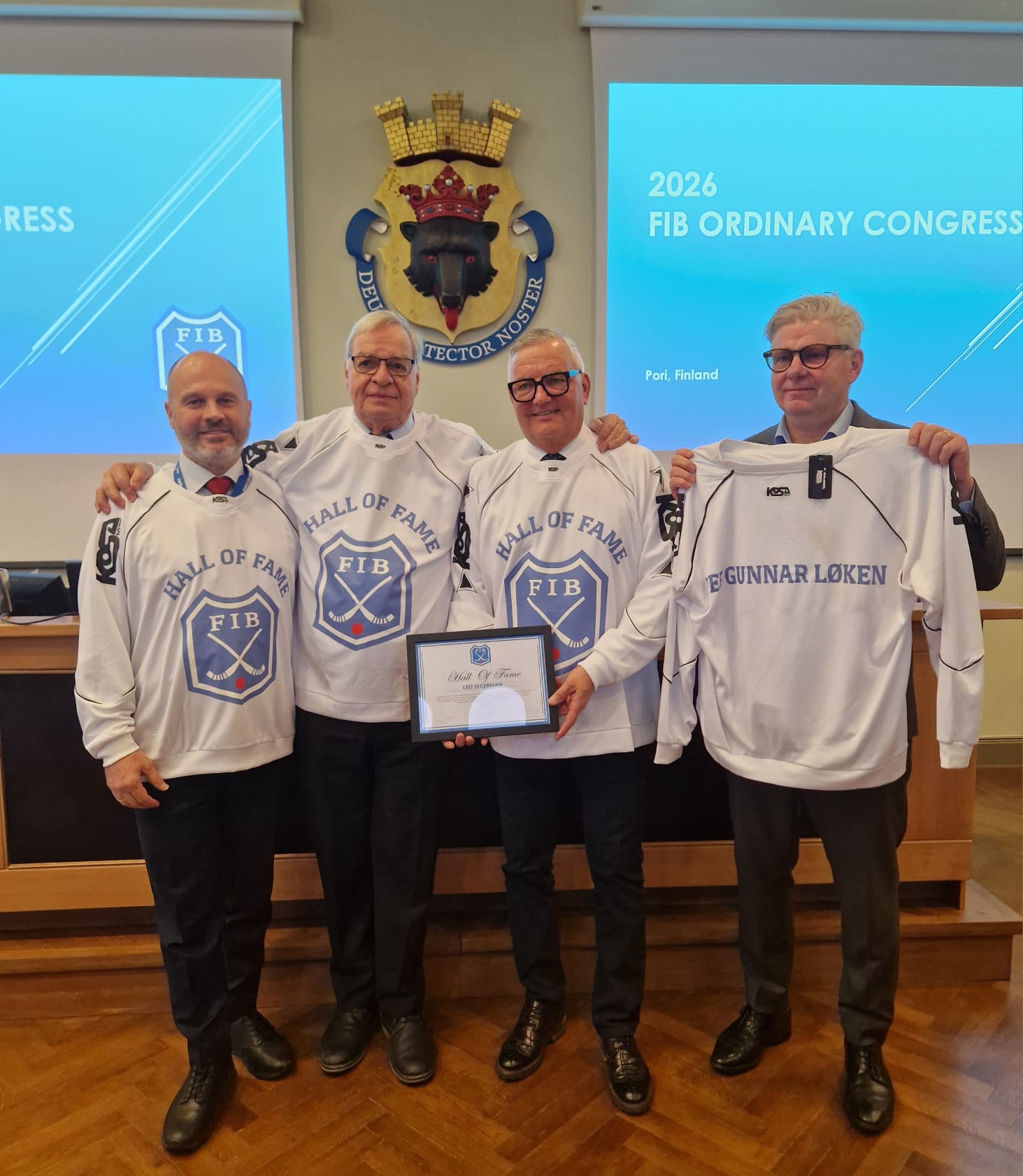
At the conclusion of the Congress, in a very emotional atmosphere, 4 individuals were inducted to the FIB Hall of Fame recognising their tremendous contribution to the sport:
The new members of FIB Hall of Fame: Attila Adamfi, Hungary, Magnus Sköld, USA, Leo Segerman, Finland and Per Gunnar Loken, Norway (represented by Henrik Nilson).
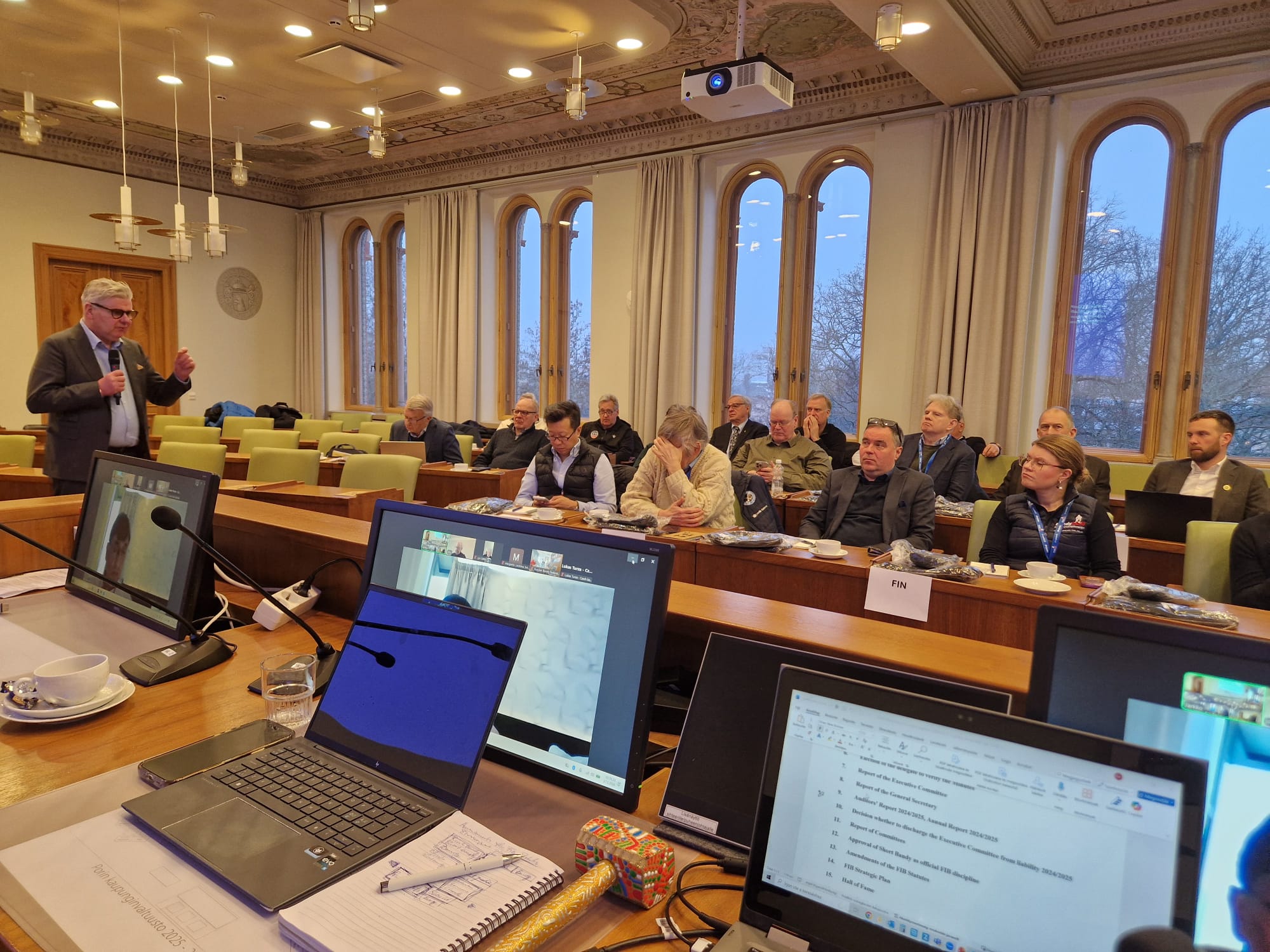
The Congress 2026 led by the President Henrik Nilsson